
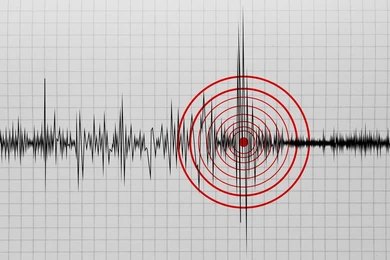
A red-alert forecast warns mass casualties in Venezuela, but officials still refuse to say how many lives were lost.
Story Snapshot
- Two strong earthquakes hit near Caracas as buildings collapsed and power failed [7][1].
- United States Geological Survey issued a red alert for high casualties and widespread damage [6].
- Model-based death toll range is 10,000 to 100,000; no official count exists yet [1][4].
- Venezuelan leaders confirmed deaths but released no numbers, citing chaos on the ground [2][1].
What Happened: Twin Quakes Near The Capital
United States Geological Survey data showed a magnitude 7.2 quake struck about 100 miles west of Caracas on June 24, followed less than a minute later by a magnitude 7.5 event [1][7]. Reporters and residents described heavy shaking in the capital, where older buildings and informal housing sit close together. Venezuela’s interior minister, Diosdado Cabello, said on state television that several buildings collapsed in Caracas and homes fell in nearby areas [1]. Local video and wire photos showed debris and search efforts in damaged neighborhoods.
Acting President Delcy Rodríguez addressed the nation and confirmed deaths occurred. She did not provide any count, saying agencies were still collecting information across damaged zones [2]. Communications outages and blocked roads made rapid reporting hard. Emergency teams faced aftershocks and unstable structures. Hospitals received waves of injured people, while many families slept outside due to fear of more collapses. Airports and key roads reported damage, slowing the flow of aid and heavy equipment into the densest parts of the city.
Casualty Forecasts Versus Confirmed Counts
The United States Geological Survey issued a red alert that warned of high casualties and extensive damage, noting the disaster was likely widespread [6]. Its probability model suggested possible deaths could range from 10,000 to 100,000 based on shaking intensity, building types, population density, and time of day [1]. That upper bound is a forecast, not a verified toll. Major outlets stressed that authorities had not released official figures, and early numbers may lag reality for days or weeks [4].
Newsrooms often face a gap between early models and final counts. That gap can fuel rumor and fear. In this case, social media showed clips of swaying towers, cracked walls, and rescue scenes, but also scattered claims with little proof. The wide model range added pressure on officials to speak. Yet leaders kept to general terms and avoided numbers. That choice aimed to prevent false precision but also deepened public distrust that has built over many crises.
Why The Numbers Are So Hard
Disaster math is slow because search and rescue takes time, and many areas stay dark or cut off. Collapsed stairwells, fallen bridges, and unstable high-rises all delay counts. Hospitals and morgues often lose power and data links. In Caracas, officials cited those very hurdles when they declined to share a figure [2]. The interior minister’s report of multiple collapses matched the scale that the United States Geological Survey model feared, which is why the red alert framed risk as high [1][6].
The Day the Earth Roared Venezuela 2026
Imagine sitting at home with your family. Children are watching TV, parents are talking, people are returning from work, restaurants are full, and the city is alive.
Then suddenly, the ground beneath your feet starts shaking.
On 24 June… pic.twitter.com/rUwJGcncWs
— First Witness X (@FirstWitnessX) June 25, 2026
Citizens on both left and right see another pattern here. They hear dire warnings, then face silence from leaders. Many think institutions protect their image first, not people. That view spans borders. When agencies hold back data, it breeds doubt about competence and honesty. When media shares model highs without plain labels, it can inflate fear. Clear labels and regular updates could narrow this gap. Trust grows when leaders share what they know, what they do not, and when they expect to know more.
What To Watch Next
Rescue teams will shift from search to recovery over the next several days. That is when counts usually firm up. Watch for a first official tally from Venezuela’s interior ministry, along with hospital admissions and missing-persons lists. Satellite images can map collapsed blocks and guide crews. International groups may release independent assessments of damage. If numbers remain hidden, the model range will shape the narrative longer, which could increase anger and reduce support for needed reforms and aid [4][6].
Sources:
[1] Web – Caracas in Ruins: Up to 100,000 Feared Dead As Massive Earthquakes …
[2] Web – Buildings collapse as quakes rock Venezuela, ‘high casualties’ likely
[4] Web – Venezuela rocked by strongest earthquakes in over a century, as …
[6] Web – Video captures strong shaking in Caracas, Venezuela … – Facebook
[7] Web – 2 powerful back-to-back earthquakes rock Venezuela, damage and …