
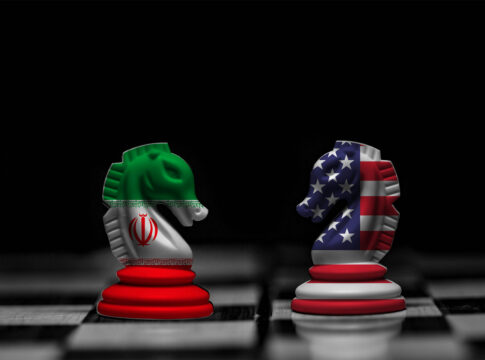
A reported 14-point Memorandum of Understanding outlines a ceasefire framework and possible sanctions relief for Iran, although questions remain about implementation and enforcement.
Story Highlights
- Washington published the full Memorandum of Understanding with a ceasefire and 60-day timeline.
- The deal pledges access to Iran’s frozen funds and oil export waivers once implemented.
- Qatar says U.S. envoys met mediators in Doha, not Iranians, amid mixed public claims.
- Reports of new attacks and no asset release raise doubts about enforcement and trust.
What The Signed Text Actually Commits The U.S. To Do
The administration released the full text of a 14-point Memorandum of Understanding that orders an immediate and permanent halt to military operations on all fronts, including Lebanon. It sets a 60-day window to negotiate the final deal. The document also promises to make Iran’s frozen or restricted funds fully available upon implementation, and to issue waivers for Iranian crude exports while broader sanctions relief is negotiated. These commitments are explicit in the text Washington published.
The text includes operational steps that carry real impact. The memorandum states that the United States would lift any naval blockade within 30 days of implementation. It also says procedures for releasing funds will be set during talks. Supporters argue the specifics show a clear path to lower tensions and stabilize energy markets. Critics warn that large financial concessions risk empowering a hostile regime if verification and enforcement lag.
Where Talks Stand After Doha: Diplomacy Without Direct Meetings
Qatar’s foreign ministry said United States envoys Steve Witkoff and Jared Kushner traveled to Doha to meet with mediators. It added there were no direct meetings set with Iranian officials. That message tracked with media reporting that United States personnel were in-country but engaging through intermediaries. The indirect format allowed both sides to continue diplomatic contacts through mediators. The presence of senior American figures showed active engagement despite the indirect format.
Confusion followed when public statements diverged. United States leaders spoke about meetings and momentum, while Iranian officials denied any scheduled direct talks for that week. The split fed a familiar pattern where each capital talks to its own audience. For Americans, the aim is to show progress. For Tehran, the goal is to avoid looking weak. When communications mix, trust erodes and adversaries test limits. That is how small gaps can grow into bigger risks on the ground.
Ceasefire Strains, Asset Delays, And A Hard Question On Leverage
Reports said both sides broke the fragile calm over the weekend, despite the text’s call for an immediate and permanent end to fighting. Iran-linked forces struck United States facilities in the Gulf, and American forces hit military sites near the Strait of Hormuz. Those actions cut against the promise of a full halt. They also make enforcement the central test. A ceasefire that cannot survive a news cycle tells rivals that paper commitments carry little weight without costs for violations.
A key economic plank is also stalled. The deal says Iranian funds will be made fully available when the memorandum is implemented. Yet a senior United States official said no assets have been released as of the Doha talks. That gap invites charges of bad faith from Tehran and raises concern among Americans about paying cash before behavior changes. Analysts say the sequencing of sanctions relief and verification will likely be a central issue in future negotiations.
Hormuz Control, Energy Prices, And The 60-Day Clock
Another fight centers on who controls traffic in the Strait of Hormuz. Analysts flagged broad and ambiguous language in the deal that each side reads in its favor. Iran signals authority to regulate passage during talks. The United States insists on open lanes without Iranian control. Disruptions to shipping through the Strait of Hormuz can affect global energy prices. Precision on maritime rules is not a detail; it is the backbone of price stability and deterrence.
The US and Iran have finished another round of indirect talks in Doha, but the first test of the peace deal is not the nuclear file.
It is the Strait of Hormuz.
According to Reuters, the talks focused on maritime traffic through the strait and the release of frozen Iranian… pic.twitter.com/jBK8IjuC0H
— versus (@versusapp) July 2, 2026
The coming weeks will determine whether negotiators can turn the memorandum into a lasting agreement or whether renewed military activity will derail the process.
Sources:
insiderpaper.com, arabcenterdc.org, perryworldhouse.upenn.edu, time.com
There is never going to be a deal with Iran and everyone better start recognizing it. Any deal won’t be worth the paper its written on. They’ve never kept an agreement and likely they never will. So best to deal with the situation as such.