
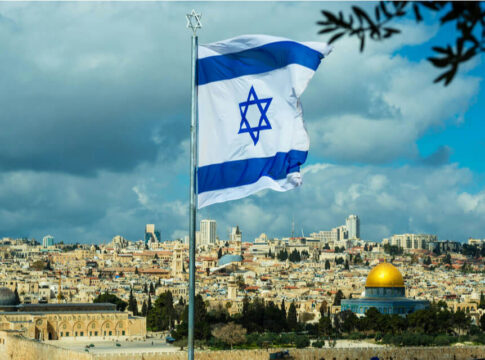
Somaliland has opened its first-ever embassy in Jerusalem after becoming the first state recognized by Israel, adding a new chapter to one of the world’s longest-running diplomatic disputes.
Story Snapshot
- Somaliland has opened its first sovereign embassy in Jerusalem, after Israel became the first country to recognize its independence.
- The new mission becomes one of only a handful of embassies in Jerusalem, adding to long-running fights over the city’s status.
- Somalia, major Arab states, and the Organization of Islamic Cooperation condemn the move as “illegal” and reject Somaliland’s sovereignty.
- The move underscores how diplomatic recognition and embassy locations remain powerful tools of international politics.
Somaliland’s First Embassy and Israel’s Push for Recognition
Somaliland, a self-declared republic in the Horn of Africa, has opened its first-ever embassy, and it chose Jerusalem, not Washington or Brussels. Somaliland’s president Abdirahman Mohamed Abdullahi inaugurated the mission during his first official state visit to Israel, calling it a major step in their young partnership. Israel recognized Somaliland as an independent state in December 2025, becoming the first United Nations member to do so and breaking decades of international silence about its status. For Somaliland’s leaders, this embassy is more than a building; it is proof that someone powerful finally listened to them.
Israeli foreign minister Gideon Sa’ar welcomed the embassy, saying it was another step in strengthening ties and confirming it would be the eighth embassy in Jerusalem. Most countries still keep their main embassies to Israel in Tel Aviv because Jerusalem’s status is disputed and linked to the Israeli‑Palestinian conflict. By adding Somaliland to the short list of states with embassies in Jerusalem, Israel signals that more countries are willing to treat Jerusalem as its capital despite global opposition. This fits a pattern that began when the United States moved its embassy from Tel Aviv to Jerusalem in 2018, breaking a long foreign policy line that tried to stay neutral on the city’s final status.
Jerusalem’s Embassy Fights and the Deep State Feeling
Jerusalem is not just another city; it sits at the center of religious faith and political struggle, and every embassy there carries symbolic weight. When the United States under President Trump recognized Jerusalem as Israel’s capital and shifted its embassy there, many governments opposed recognizing Jerusalem as Israel’s capital, arguing that the city’s final status should be resolved through negotiations between Israelis and Palestinians. They argued that great powers were playing with maps and borders for their own goals while ordinary Israelis and Palestinians kept living with uncertainty, fear, and violence. That sense—that powerful elites change the rules without fixing real problems—matches how many Americans now feel about their own government at home.
From the 1950s on, Israel has pushed hard to bring embassies to Jerusalem, but most Western countries avoided the move. Instead, they built consulates or special missions in Jerusalem that serve Palestinians but are not formally embassies to a state. This odd setup lets governments say they do not recognize sovereignty over Jerusalem, while they still work there every day. It is a classic diplomatic workaround that looks to many people like legal word games. To citizens who worry about a “deep state” or distant elites, such tricks confirm the belief that governments care more about global image than about clear, honest policies.
Regional Backlash and the Risk of Isolation
Somaliland’s embassy move has already angered powerful neighbors and regional blocs. Somalia, which still claims Somaliland as part of its territory, condemned Israel’s recognition and the embassy as a “deliberate attack” on its sovereignty. Fourteen foreign ministers from key Arab and Muslim‑majority countries—including Saudi Arabia, Egypt, Qatar, Jordan, Pakistan, and others—issued a joint statement calling the “so‑called Somaliland region” embassy “illegal and unacceptable” in “occupied Jerusalem.” The Organization of Islamic Cooperation has also rejected the mission, insisting Somaliland is not a sovereign state. These reactions show how one ceremony can deepen long‑standing divides and leave ordinary Somalilanders caught between rival power camps.
Somaliland’s ambassador to Israel, Mohamed Hagi, defended the decision, saying political pressure should not replace “constructive engagement” with his peaceful, democratic society. He argued that Somaliland has its own government, currency, and security forces and should be free to make sovereign choices about its partners. Yet, because most of the world still treats Somaliland as a breakaway region, its embassy risks being seen as symbolic rather than fully accepted. For many citizens—whether in Africa, the Middle East, or the United States—this is another example of how powerful countries decide which voices count and which do not, often with little input from the people most affected.
Whether additional countries follow Israel’s recognition of Somaliland remains uncertain, making this an important diplomatic test case
Strategic Axis or Another Elite Project?
Analysts say the new embassy could mark the start of a strategic axis running from the Horn of Africa to West Asia. Public reports describe growing security and economic cooperation between Israel and Somaliland, although many details have not been independently confirmed by both governments. Somaliland security forces have reportedly trained in Israel, and some accounts suggest the territory offered support points during Israel’s war with Iran. For governments, these moves promise more control over trade routes and regional threats. For everyday people in both regions, they may feel like distant chess moves that do little to improve daily life, jobs, or safety.
Somaliland and Israel also signed what officials call a Declaration of Strategic Cooperation, covering the economy, security, technology, and investment. In theory, this could bring new jobs, infrastructure, and tech projects to a poor but stable region that has often been ignored by global lenders and aid groups. Yet many observers will watch to see whether promised benefits reach average citizens or stay locked in elite circles. Whether the new partnership delivers lasting economic or security benefits will likely be judged over time by developments beyond the symbolism of the embassy opening.
Sources:
youtube.com, i24news.tv, somaliguardian.com, instagram.com, facebook.com, themedialine.org, reutersconnect.com
YOU HAVE GOT TO BE KIDDING.