
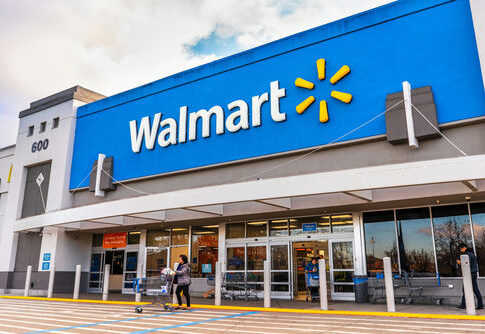
Trump is pointing to Walmart’s new price cuts as proof he’s beating inflation, but the data shows many families still feel squeezed at the checkout line.
Story Snapshot
- Walmart says it will cut prices on thousands of items, using refunds from Trump-era tariffs.
- Trump is touting these cuts as a victory on inflation, even as many Walmart prices and overall grocery costs remain higher than before.
- Fact-checkers say Trump’s earlier claims about cheaper Walmart food bundles were misleading and left out key details.
- Both supporters and critics see the fight over prices as another example of leaders spinning numbers while everyday Americans struggle.
What Walmart Is Actually Doing With Tariff Refunds
Walmart executives say they plan to use money from tariff refunds to lower prices on thousands of products, instead of keeping all of that cash as profit. Reports based on the company’s earnings calls describe about 7,200 items on “rollbacks,” with leaders saying refunds from now-invalidated Trump tariffs could help fund more reductions. A local business post says Walmart is seeking over $2 billion in refunds and expects to cut merchandise prices to ease pressure from high fuel and living costs. These moves give Trump a concrete example of prices going down at a major retailer, but they are targeted cuts, not a across-the-board return to pre-inflation prices.
Trump has leaned on Walmart’s actions to claim his policies are lowering costs for regular Americans, tying the tariff refund story to his broader “America First” economic message. He had earlier pushed Walmart publicly to “eat the tariffs” and not pass higher import costs on to shoppers, arguing that big companies and foreign suppliers should bear the pain instead of U.S. families. For many voters who feel crushed by bills, the idea of a giant corporation finally cutting prices sounds like long overdue relief. But tying those cuts directly to the White House’s requests or strategy goes beyond what Walmart itself has confirmed.
Where Prices Are Still Rising For Families
Even as Walmart promises new rollbacks, several independent reports show that many everyday items have gotten more expensive during Trump’s second term. An analysis by National Public Radio found that nearly half of 114 common Walmart products rose in price in 2025, with beef, coffee, and chocolate among the biggest increases. Data compiled by NBC News show grocery prices up about 2.7% year over year, with ground beef jumping more than 20% and orange juice rising close to 30% since Trump took office. These numbers line up with what shoppers of every political stripe feel in their wallets: some specials may be cheaper, but the overall food bill is still tough to manage.
Walmart leaders have been open about the pressure they face from tariffs and other rising costs, even while they talk up discounts. The company’s chief financial officer warned that high tariffs would likely push prices up for many goods, including items as basic as bananas and children’s car seats. Walmart’s chief executive said costs were rising each week as stores restocked goods at “post-tariff” prices, and that some shoppers were changing habits to avoid non-essential purchases. These statements clash with the simple story that tariffs plus tough talk alone are making things cheaper. Instead, they show a constant tug-of-war between higher import costs and the company’s promise to stay “everyday low price.”
Fact-Checks On Trump’s Walmart Price Claims
Trump has used Walmart’s promotions as proof that his administration forced down food prices, pointing to, for example, a Thanksgiving meal “bundle” he said was far cheaper under his watch. Fact-checkers dug into that claim and found the headline savings came mostly from shrinkflation, not broad price cuts. The newer bundle cost about $40 instead of $55, but it included fewer items and smaller portions than the earlier version. As one economist put it, shoppers pay less because they get less, which does not match the idea that the same food is simply cheaper now.
Reuters and other outlets also checked viral claims that Walmart slashed food prices back to “pre-inflation” levels soon after Trump took office and found no evidence. Walmart itself told Reuters that such claims were “incorrect” and that no official announcement had promised a return to past price levels. Mainstream fact-checkers have rated several Trump statements on Walmart and prices as “Mostly False,” stressing that the company’s marketing deals do not erase wider inflation trends. For Americans who already doubt political talking points, these findings feed a sense that leaders cherry-pick the few numbers that look good and ignore the bills people actually pay each week.
Why This Fight Over Prices Hits A Nerve On Both Left And Right
Researchers find that most Americans believe politicians can help lower food prices, but opinions about which party can do it are deeply partisan. Republicans tend to credit their own party, Democrats do the same, while many independents say it will take both sides working together. At the same time, surveys show inflation is still the top concern across the political spectrum, even after shifts in consumer confidence following Trump’s election and second term. That means both conservative and liberal shoppers walk into Walmart already skeptical, already worried, and primed to judge any price change as proof their side is right and the other side is wrong.
Trump says Walmart cut prices at his request, but Walmart statement omits administration's rolehttps://t.co/u71Zyv9VfP
— Derek Karikari (@news_scout) July 7, 2026
For older conservatives, Walmart’s tariff-funded discounts may look like vindication of frustration with globalism, “woke” priorities, and years of rising costs they blame on past leaders. For older liberals, the same story can feel like a distraction from deeper problems such as wage gaps, corporate power, and cuts to social support. Yet many on both sides now share a core belief: the federal government and big corporations are not putting regular people first. When Trump celebrates select price drops while data shows many essentials still climbing, it fits a larger pattern of leaders highlighting small wins while the broader cost-of-living crisis grinds on, leaving families to wonder if anyone in power is truly fighting for their everyday bills.
Sources:
washingtontimes.com, reuters.com, san.com, nbcnews.com, wral.com, reddit.com, cnbc.com, npr.org, youtube.com, facebook.com