
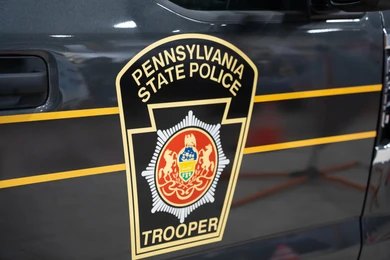
A Pennsylvania State Trooper is dead, a truck driver sits in jail, and key facts about why this happened and who allowed him on the road are still disturbingly unclear.
Story Snapshot
- A 33-year-old truck driver has been charged in the death of Trooper Michael Pahira after his rig veered off Interstate 81 in Pennsylvania.
- Court records show ten serious charges and $700,000 bail, but official paperwork lists no clear reason the truck left the roadway.
- Federal officials say the driver is a Haitian national in the country illegally, yet state crash documents focus almost entirely on the impact, not the immigration failures behind it.
- The case highlights a growing pattern: officers killed on the roadside while citizens on both left and right question whether the system protects them or the powerful interests behind it.
What We Know About the Fatal Crash and Charges
Pennsylvania State Trooper Michael Pahira, age 44, was killed while doing what many officers do every day: a traffic inspection on the side of a busy highway. Officials say he was examining another tractor-trailer along Interstate 81 in Cass Township on a Wednesday morning when a second semi, driven by 33-year-old Michael Bon, veered off the road and slammed into the scene. The impact crushed the patrol vehicle, pushed it into the truck under inspection, and fatally struck the trooper.
Court records from Schuylkill County show Bon was formally arraigned and charged with homicide by vehicle, manslaughter, aggravated assault by vehicle, reckless driving, and other counts, ten criminal charges in all. A judge set his bail at $700,000, a level that signals how serious authorities view the case. Bon remains in custody and is scheduled to appear in court again on July 16, while the state police investigation continues to gather evidence about the crash.
Unanswered Questions About Why the Truck Left the Road
While the charge sheet paints a clear legal picture, the crash documents leave a troubling hole: they do not identify what caused Bon’s tractor-trailer to veer off the roadway in the first place. The paperwork confirms he held a Class A driver’s license from Massachusetts and was driving a Freightliner with Florida registration, hauling clothing. Yet it “did NOT detail anything” that would explain the sudden shift off the travel lane before the truck hit Pahira, his vehicle, and the stopped rig.
State police leaders say the investigation is ongoing, with inspectors reviewing both trucks and Bon’s driving records to look for mechanical failures, fatigue, or other factors. So far, there is no public forensic report, no toxicology result, and no sworn witness account that clearly explains why the truck left its lane. That gap matters. It will shape whether this remains a tragic crash, becomes a clear-cut criminal act in court, or turns into another case where the public feels key facts are kept out of sight.
Immigration Status, Media Narratives, and Public Anger
Federal homeland security officials told local media that Bon is a Haitian national who has been in the United States illegally since 2025, and that he was living in Massachusetts at the time of the crash. At the same time, state crash paperwork focuses on his license, truck, and the impact sequence, and does not address his immigration status. That silence from state authorities has left a vacuum that partisan outlets and social media voices rushed to fill with blunt slogans and rage.
Some conservative commentators frame the story mainly as proof that a “failed border” and “illegal alien truck driver” killed an American trooper, while some liberal voices warn that the focus on immigration risks hiding problems in trucking safety and road design. Both reactions speak to a deeper, shared anger: that the federal government allowed someone who should not have been here, and certainly should not have been behind the wheel of a large commercial truck, to slip through the cracks until tragedy struck.
Why Roadside Deaths Like This Keep Happening
This crash is not an isolated event. Across the country, motor vehicle incidents are the single leading cause of officers dying in the line of duty. National data show that a large share of these deaths involve “struck-by” crashes, where an officer outside their vehicle is hit by a passing car or truck during a stop or roadside duty. Between 2015 and 2019, at least seventy officers were killed after being struck while on foot near roadways, many during traffic enforcement.
Research from federal safety agencies also shows that many crashes are labeled “accidental” even when another driver made a dangerous choice, like speeding or failing to move over. The pattern is familiar: an officer pulls someone over, stands outside in a narrow lane of safety, and a passing driver drifts, is distracted, or is impaired. For families, it does not matter whether the law calls it “accidental” or “vehicular homicide.” The result is the same—a loved one does not come home.
Deep System Failures Behind One Horrific Morning
For conservatives, this case fits a long frustration with border control failures, weak enforcement, and a sense that ordinary Americans and police pay the price when illegal entrants are not removed. For liberals, it raises alarms about exploited migrant labor in risky jobs, aggressive trucking schedules, and the widening gap between global corporations and the people put in harm’s way. Both sides see the same core problem: systems that should protect the public break down, while leaders talk around the hard truths.
Allowing a person in the country illegally to gain a commercial license, secure work driving an eighty-thousand-pound rig, and travel state to state until a trooper dies on the roadside is not a single mistake—it is a chain of failures. Immigration screening, licensing, employer hiring, and highway safety all had a role. Yet early statements from officials lean heavily on honoring Pahira’s sacrifice, which is right and proper, while giving little detail about which agencies or companies will face real accountability for putting him in danger that day.
What to Watch Next as the Case Moves Forward
As Bon’s case heads toward court, key facts will decide whether justice feels real or staged. Forensic tests on the truck and road can show if a mechanical problem or debris played a role. Medical and toxicology records can reveal if Bon was impaired or suffered a medical emergency. Driver logs and company records can expose unsafe hours or pressure to keep driving when tired. These are not partisan questions; they are basic truths the public deserves to know before judgment is passed.
At the same time, many citizens will be watching whether federal and state officials admit where the system failed or simply treat Bon as a lone villain and move on. People on both the right and the left are tired of speeches that praise heroes after they die but never fix the policies that put them at risk. Trooper Pahira’s death is a personal tragedy for his family and a community loss for Pennsylvania. It is also a test of whether government can still confront its own mistakes honestly and protect the people it claims to serve.
Sources:
townhall.com, wjactv.com, facebook.com, nilc.org, archives.gov, justice.gov