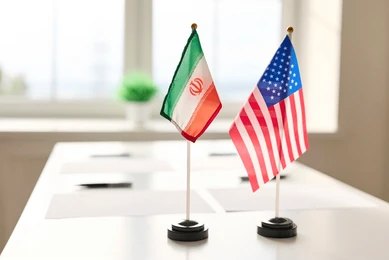
A new U.S.-Iran agreement over the Strait of Hormuz could reshape global energy markets and regional security, even as Washington insists commercial shipping will remain open and protected.
Story Snapshot
- The 14‑point US‑Iran Memorandum of Understanding (MOU) promises a “permanent” end to military strikes and reopening of the Strait of Hormuz.
- The United States commits to sanctions waivers and to make frozen Iranian funds fully available once the deal is implemented, raising hard questions about accountability.
- Talks in Doha ended without a direct Trump‑Iran meeting, and Iran is already threatening to halt diplomacy as attacks and mistrust continue.
- Conflicting public statements and ambiguous language in the agreement have raised questions about how the Strait of Hormuz provisions would be interpreted and enforced.
What The 14‑Point Deal Really Promises
The 14‑point Memorandum of Understanding between the United States and Iran is billed as a path to end the war and keep oil flowing through the Strait of Hormuz. The text states that both sides, and their allies, will “immediately and permanently” stop military operations on all fronts, including Lebanon, once the MOU takes effect. It also creates a 60‑day window to reach a final agreement on nuclear limits, sanctions, and regional security, with formal talks expected in Switzerland. The agreement outlines a framework for reducing hostilities, but many of its provisions still depend on future negotiations and implementation.
Energy and security details inside the MOU matter most for readers feeling the squeeze from high fuel and grocery bills. Under the MOU, the United States would begin lifting its naval blockade and restoring commercial shipping as implementation moves forward. It also commits Washington to issue waivers for exports of Iranian crude oil and petrochemical products right after the deal is signed, including banking, insurance, and transportation services. These steps can ease global oil prices, but they also give a hostile regime fresh cash and room to maneuver just as Americans are still dealing with elevated living costs and the lingering effects of inflation.
Frozen Funds, Sanctions Relief, And Who Pays The Price
The sharpest point in the deal is money: the United States promises to make frozen or restricted Iranian funds “fully available for use” once the MOU is implemented. The text says these funds, whether kept in a master account or moved, can be used for any payments chosen by Iran’s central bank, with the United States issuing “all necessary permits and licenses.” Supporters argue this is not direct taxpayer cash, but sanctions relief and access to billions still mean Tehran gains resources it could use however it wants. Critics of previous agreements argue that sanctions relief ultimately provided Iran with resources that benefited its military and regional proxy groups.
The Doha talks exposed how fragile these promises are when Iran pushes for more while blaming the United States for every delay. Reports say technical‑level meetings focused on how and when to release frozen assets and how to manage shipping rules in the Strait of Hormuz. At the same time, Iranian officials told their own media that the United States had not yet released funds held in Qatar, even after Tehran eased its blockade of Hormuz. Iranian officials have argued that Washington has delayed fulfilling its commitments, increasing pressure during the negotiations. The negotiations have prompted debate over whether sanctions relief should be tied more closely to verified Iranian compliance.
Strait Of Hormuz Control And The Risk To Global Shipping
The Strait of Hormuz is a narrow waterway where about a fifth of the world’s oil passes, so any confusion about control or rules there directly hits American wallets and national security. The MOU says the United States will lift its naval blockade and that traffic will return to pre‑war levels, while other reporting notes language that tasks Iran with using its “best efforts” to ensure safe passage of commercial vessels and to help shape future maritime rules. Analysts warn that the text is broad and ambiguous, especially on who sets those rules and how disputes are settled. Analysts say the ambiguity could create future disputes over interpretation and enforcement.
Doha talks were supposed to dial down those risks, but they ended with mixed messages and no clear joint plan. Axios and other outlets report both sides agreed to “stand down” on strikes for now and allow vessels to move freely as technical talks continue. Yet Intelrift and other sources note that Iran threatened a “total halt” to talks as United States warplanes circled above Hormuz, showing how fast de‑confliction can slide back toward confrontation. This pattern fits a long history of negotiation‑escalation cycles where public claims of progress clash with private threats and walk‑backs. Supporters of a tougher U.S. policy argue that military deterrence remains essential to protecting international shipping, while supporters of diplomacy contend that sustained negotiations offer the best chance to reduce future conflict.
No Direct Meeting, Confusing Media Narratives, And What Comes Next
One striking fact from Doha is that there was no direct high‑level meeting between President Trump’s envoys and Iranian negotiators. Qatar’s foreign ministry and global media say United States envoys Steve Witkoff and Jared Kushner met Qatari leaders and mediators, while Iran sent an expert team focused only on MOU implementation, especially the frozen funds. Iranian spokesmen publicly denied any scheduled direct talks, even as both sides used intermediaries to keep the process alive. This split between indirect engagement and public denial feeds confusion, letting mainstream outlets frame the situation as “mixed messages” and cast doubt on American diplomacy while allowing both sides to maintain different public messaging while indirect negotiations continue.
The stakes reach far beyond diplomatic drama in Doha hotel rooms. The MOU pushes a 60‑day timeline for a final agreement, during which Iran is meant to keep its nuclear promises and stop military attacks, while the United States lifts economic pressure step by step. Past experience with nuclear talks, from Vienna to Oman and Geneva, shows that deals with fuzzy language and weak enforcement often fail within months. For a conservative audience that values strength, clarity, and the Constitution, the path forward is to demand strict verification, keep sanctions tied to real behavior, and never let globalist pressure or media spin push America into funding its enemies or surrendering control over critical waterways like the Strait of Hormuz.
Sources:
insiderpaper.com, arabcenterdc.org, cnn.com, en.wikipedia.org, bbc.com, perryworldhouse.upenn.edu, time.com, youtube.com, facebook.com, nbcnews.com, stimson.org