
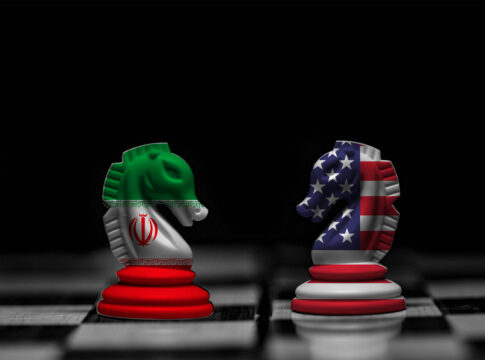
A leaked U.S.–Iran war-ending deal that reopens the Strait of Hormuz and lets Tehran “sell oil freely” looks less like a peace breakthrough and more like another giant, high‑risk bet by Washington’s political class with ordinary Americans left holding the bill.
Story Snapshot
- The tentative deal would reopen the Strait of Hormuz and lift the U.S. naval blockade, easing a self‑inflicted global energy crisis.[2]
- Iran would get waivers that let it sell oil “without restrictions” for now, plus a path to as much as $300 billion in reconstruction funds.[2][3]
- Sanctions are not truly gone; many would be lifted later and only if a future nuclear agreement is reached.[2][4]
- The core text is interim and temporary, raising fears of another vague, elite‑crafted deal that could collapse while average people pay the price.[2][3][8]
What This Deal Actually Promises Iran and the U.S.
Leaked drafts say Iran will take immediate steps to reopen the Strait of Hormuz once the interim deal is signed and can sell its oil “without restrictions” under new U.S. sanctions waivers.[2] The accord is due to be signed in Switzerland and would formally end open war between Washington and Tehran, restoring prewar shipping through one of the world’s most important energy chokepoints.[2][7] U.S. officials dictated key memorandum language to reporters, confirming toll‑free passage for at least sixty days.[8]
The same drafts say the United States will lift its naval blockade on Iranian ports and push to bring Strait traffic back to prewar levels within thirty days, while mines laid during the conflict are cleared.[2][3] Much of the agreement tries to “reset” to the old status quo: stop the shooting, reopen oil lanes, and restart talks about Iran’s nuclear program.[2][4][7] On paper, that sounds like stability, but it also restores the same fragile setup that broke down into war only months ago.
Sanctions Relief, “Free” Oil Sales, and a $300 Billion Question
The headline that Iran “can sell oil freely” rests on U.S. promises to issue sanctions waivers once the deal is signed, not on a full legal end to sanctions.[2][6] Iran would be allowed to sell oil without restrictions under these waivers, which give banks and buyers cover to resume trade.[2][3] At the same time, U.S. officials stress that many sanctions, including some tied to weapons and human rights, will only be lifted later and are tied to future nuclear talks.[2][4][7]
The leaked accord also envisions Iran receiving at least three hundred billion dollars for reconstruction after heavy U.S. and Israeli bombing, with a broader path to end all American and United Nations sanctions if a final nuclear agreement is reached.[2][3][6] Pakistan, a key mediator, says major concessions like full asset releases would roll out gradually and depend on progress in those nuclear talks.[2] For many Americans, the idea of sending that scale of money toward Tehran while the U.S. struggles with debt, inflation, and crumbling infrastructure will look like the latest elite foreign project that ignores problems at home.
A Temporary Strait Opening and the Risk of New Tolls
The memorandum secures toll‑free passage through the Strait of Hormuz for only sixty days, according to senior U.S. officials who walked reporters through the draft.[4][8] After that window, the deal does not rule out Iran adding “fees” or “service charges” on ships, a move that could quietly shift control of a global trade artery toward Tehran’s cash needs.[4] The agreement aims to bring tanker traffic back to prewar levels in about a month, but also admits that mine clearance and safety checks still have to be done.[2][3]
White House releases 14-point US-Iran ceasefire memorandum
The White House has published the full 14-point memorandum of understanding it says the US and Iran signed after a ceasefire deal. The document lays out an immediate halt to military action, commitments to avoid future… pic.twitter.com/8DgZaiYTPd
— Big Bat News (@bigbatnews) June 18, 2026
Officials frame these steps as a path to easing a historic energy crisis that followed the Strait’s closure during the war.[2][4] But the fine print shows this is a short‑term patch, not a firm guarantee for global shippers or American drivers. Insurance companies, naval commanders, and regional rivals will all react based on their own interests, not press releases. That means any new attack or dispute could slam the Strait shut again, no matter what the memorandum says.
Why Many on Left and Right See Another Elite Deal
The agreement is an interim memorandum of understanding, not a full peace treaty, and key timelines and enforcement details are left for later talks on Iran’s nuclear program.[2][3][7] That uncertainty fuels a familiar fear across the political spectrum: powerful governments cutting vague, complex deals in back rooms, then asking regular people to trust them after the fact. For conservatives, the idea of waiving sanctions and discussing hundreds of billions in aid looks like rewarding a hostile regime while American energy producers still face heavy regulation at home.
For liberals, a U.S. plan that restarts Iran’s oil exports while doing little to address climate concerns or protect civilians caught in the war may feel like yet another bargain built around oil and weapons, not human rights. Both sides can see how a narrow group of diplomats, defense contractors, global banks, and energy giants stand to benefit most from any quick return to “normal” trade.[3][6] Meanwhile, little in the leaked text speaks to long‑term accountability, transparency, or real democratic input, either in Iran or in the United States.
Big Stakes for Energy Prices, Security, and U.S. Credibility
Reopening the Strait of Hormuz and letting Iranian oil flow again could ease pressure on global energy prices that have spiked since the war and blockade began.[2][3] Lower prices at the pump and cheaper shipping costs would help families and businesses around the world. But tying that relief to a fragile sixty‑day memorandum, with big payouts and future sanctions decisions left to the same leaders who oversaw the war, carries serious risk if the deal collapses.[3][8]
If the agreement holds and leads to a verifiable nuclear deal, the U.S. could claim a major diplomatic win with fewer troops in the region and more stable markets.[2][7] If it fails, Washington will have signaled that mines, blockades, and regional chaos can still be traded for cash and concessions, further eroding trust at home and abroad. For many Americans who already believe the federal government serves global elites over citizens, this deal will be a test of whether anyone in power has learned from past foreign policy failures.
Sources:
[2] Web – Iran and the US agree on a Memorandum of Understanding
[3] YouTube – US Iran Peace Deal Inside Details | Strait Of Hormuz
[4] Web – What’s in the Iran deal Trump says he’s ready to sign – Axios
[6] YouTube – Analysts say US-Iran Hormuz MoU is a time‑buying ceasefire, not a …
[7] X – NEW: Iranian statements regarding the contents of the US-Iran …
[8] Web – A preliminary memorandum of understanding between the U.S. and …