
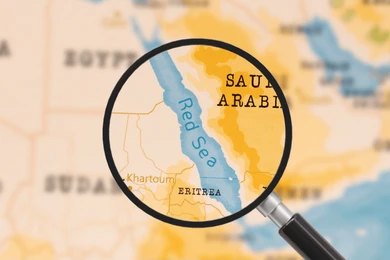
Covert Israeli-Somaliland security ties are growing in the Red Sea chokepoint, while officials deny any permanent base.
Story Snapshot
- Reports claim about 50 Israeli soldiers deployed to Somaliland; officials deny a base exists [1][2]
- Israel recognized Somaliland and admits years of quiet cooperation, including secret activities [1][7]
- Somaliland says training is happening, but no talks for an Israeli base or permanent presence [2]
- Rumors of air defense and port security raise stakes near vital shipping lanes [5][6]
Competing Claims About Troop Presence and Bases
Media reports said about 50 Israeli soldiers went to Somaliland after new security deals, following Israel’s recognition of Somaliland’s independence. Those reports cited a senior Somali official and claims of access to a local facility for logistical stops [1]. Somaliland leaders pushed back. The defense minister told Reuters there is no Israeli military presence and no talks on a base. He said cooperation focuses on training for security forces, not permanent sites [2].
Israel’s defense leadership has described ties as real and long-running. Israel Katz, now defense minister, has said Israel and Somaliland maintained covert cooperation for years, including confidential joint activities. He made those remarks around meetings with Somaliland leaders. That admission supports training and intelligence links, but it still stops short of an open base or a confirmed troop deployment on the ground [1]. This split explains why reports and denials continue to collide.
Air Defense, Port Security, and Red Sea Pressure
Regional outlets highlighted visits by Israeli delegations to Hargeisa and talk of air defense at the Berbera port. One video report showed what it called an Iron Dome component and said full air defense was discussed. It also claimed a special Somaliland unit trained by Israelis returned to deploy at key towns, and cited a secret maritime security deal involving the United States. These claims remain unverified but add weight to the idea of structured security work [5].
Policy analysts note the Red Sea’s importance for trade and fuel shipments. Piracy, terror groups, and Yemeni Houthi threats make the area risky. A respected institute wrote that Israel sees Somaliland as a useful partner for intelligence and potential future logistical access, even without a formal base [6]. This view fits with limited, practical cooperation that protects shipping lanes while avoiding a heavy footprint that could spark broader blowback.
Official Denials and What We Can Actually Confirm
Somaliland’s defense minister and foreign ministry have both rejected claims of an Israeli base. Reuters captured direct quotes that say there are no talks on bases and that engagement is diplomatic plus training. The president has given similar signals, saying a base is not on the table now [2]. These on-record denials are clear. At the same time, Israel’s public nod to covert cooperation suggests something is happening—likely training, advice, and quiet coordination—short of a base [1][2].
Report Alleges Israeli Personnel Deployed to Somaliland Amid Growing Security Cooperation
A report citing a senior Somali government official has alleged that Israel deployed a small group of military personnel to Somaliland earlier this year, a development that could draw… pic.twitter.com/BipE07IVjg
— Himilo Media (@HimiloMediaTv) June 23, 2026
So what is confirmed? First, Israel’s recognition of Somaliland in late 2025 and an open push for ties. Second, admitted cooperation that includes training and security help. Third, no published photos, documents, or satellite images that prove deployed Israeli troops or a permanent facility today. Fourth, a swirl of media claims about air defense and naval access that lack independent corroboration. Put together, this looks like a light-footprint partnership with real stakes but tight secrecy [1][5][6].
Why This Matters for America First Conservatives
Freedom of navigation in the Red Sea keeps U.S. prices lower and our supply chain steady. Disruption there drives up shipping and fuel costs at home. Quiet security ties that harden ports and skies can help deter terrorists and pirates. They can also counter Iran’s network and the Houthi threat. That matters for U.S. allies and for American trade. Measured cooperation beats nation-building, and it avoids writing blank checks for new wars or far-off occupations [6].
Washington has not recognized Somaliland, and that creates fog. Turkey backs Somalia, which opposes Israel-Somaliland ties. That tension can draw in outside players and global media spin. The smart path is facts first: demand proof, verify claims, and support actions that protect trade lanes and punish terrorists. No base-building spree. No endless spending. Just targeted help that matches our interests, respects sovereignty, and keeps the Red Sea open without dragging America into another costly mess [2][6].
What to Watch Next
Watch for hard evidence, not rumors. Satellite images, on-site reporting at Berbera, or official documents would settle key questions. Look for whether Israel or Somaliland announces a defined training mission, air defense deployment, or logistics access with dates and units. Track shipping risk from Yemen-based militants. If threats spike, quiet partnerships often expand. If threats cool, cooperation may stay small. Either way, transparency and proof should guide U.S. policy and taxpayer support [5][6].
Sources:
[1] Web – Israeli Troops Deployed To Somaliland In Covert Mission
[2] Web – Around 50 Israeli Soldiers Deployed To Somaliland … – i24 News
[5] Web – Israel and Somaliland Form a Partnership – The Blogs
[6] Web – Somaliland and Israel—Considerations Regarding Recognition and …
[7] Web – Recognizing Somaliland: Israel’s Return to the Red Sea