
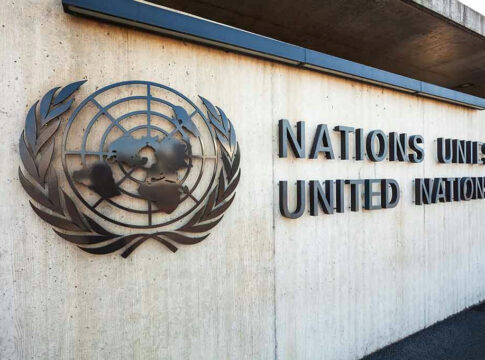
Reports of an apparent self-immolation outside United Nations headquarters in New York have drawn attention because of similarities to a long-running pattern of Tibetan political protest.
Quick Take
- Tibetan advocacy groups say self-immolation has been used as protest for years, with 159 cases cited since 2009.
- Social posts and videos tie the New York incident to the name Lobga Rangzen, but the research package lacks firm official confirmation.
- Historical reporting shows Tibetan self-immolations have often been linked to demands for freedom and religious rights.
- The available material leaves major gaps on identity, motive, and cause of death for the New York incident.
A protest tied to a long pattern
The available research places the New York incident inside a broader Tibetan protest movement that has used self-immolation for years. The International Campaign for Tibet says 159 Tibetans have self-immolated in Tibet and China since 2009, and 127 are known to have died after the act. National Public Radio and other outlets have also described the practice as a grim form of political protest tied to Chinese rule.
That history matters because the same pattern appears in older cases from Tibet and the diaspora. The New York Times reported in 2016 that an 18-year-old Tibetan monk, Kalsang Wangdu, died after self-immolating to protest Chinese rule, and the paper said self-immolations had spread beyond monks to students, nomads, and farmers. Free Tibet has likewise said the practice has become a feature of Tibetan resistance, not just a one-time outburst.
What the New York material shows
The social research points to a man identified online as Lobga Rangzen, and several videos and posts describe the act as happening outside United Nations headquarters in New York. But the research package also says there is no direct primary-source documentation, no police report, and no medical or forensic record that fully confirms the event details. That means the core facts remain partly unverified in the provided material.
The gap is important because the name, age, motive, and exact cause of death all matter in a story like this. Available public information does not yet clearly establish the person’s identity or other key facts, underscoring the limited official documentation currently available. The limited documentation means important questions remain unanswered.
Why the reporting gap matters
The strongest verified point is not the New York claim itself. It is the long record of Tibetan self-immolation as a protest tactic against Chinese rule, with historical reporting showing that many participants have shouted political slogans or linked their actions to Tibetan freedom. That background gives the New York incident clear context, but it does not replace proof. Without police records, eyewitness statements, or medical findings, the exact story remains incomplete.
A man who died after setting himself on fire near United Nations headquarters in New York City has been identified by Tibetan exile groups as activist Lobga (or Lobsang) Rangzen, in what appears to have been a dramatic political protest against China’s rule over Tibet.… pic.twitter.com/uN58Luf1hH
— Juliet Njau (@NjauJuliet) July 3, 2026
The lack of reporting from many major news organizations at the time of writing makes independent verification more difficult. Because the reported incident involves an extraordinary and tragic event, additional confirmation from law enforcement, medical authorities, or eyewitnesses will be important before firm conclusions can be drawn.
Sources:
thegatewaypundit.com, savetibet.org, pbs.org, nytimes.com, culanth.org