
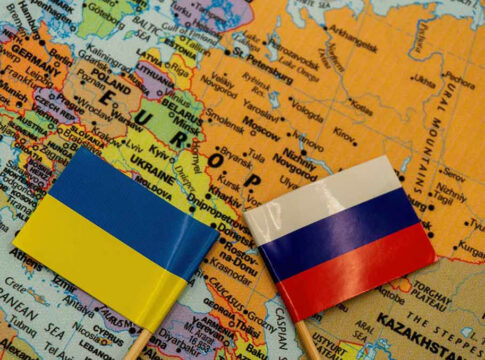
On America’s 250th birthday, President Trump spent nearly an hour on the phone with Russian President Vladimir Putin discussing the war in Ukraine, while Russia claimed it helped shape America’s founding.
Story Snapshot
- Putin used an Independence Day call to praise Russia’s role in America’s founding and push his Ukraine war goals.
- Trump heard Putin’s hard line on Ukraine but admitted he “didn’t make any headway” toward a ceasefire.
- The Kremlin called the conversation “businesslike” and said the two leaders were “on the same wavelength.”
- The call fits a pattern where big Ukraine decisions are discussed between Washington and Moscow, often without Kyiv at the table.
Putin’s History Lesson on America’s 250th Anniversary
Russian President Vladimir Putin used the July call to tell Donald Trump that Russia played an important role in the birth of the United States, including during the War of Independence 250 years ago and later during the Civil War. Kremlin aide Yuri Ushakov said Putin stressed “deeper historical roots” linking the two countries beyond their World War alliances. Putin’s historical characterization drew attention because historians continue to debate the extent of Russia’s role in early American history.
Ushakov said Putin also formally congratulated Trump ahead of U.S. Independence Day and tied this history lesson to today’s conflicts. By claiming Russia helped “arm America’s freedom” in 1776 while insisting it will “achieve the goals it has set” in Ukraine, Putin framed his current war as part of a long, almost noble tradition. The remarks aligned with longstanding Kremlin messaging about Russia’s historical role and international influence.
Inside the Call: Ukraine War and a Stalled Ceasefire Push
The Independence Day call lasted close to an hour and covered several hot spots, including the war in Ukraine, Syria, and strikes between Israel and Iran. According to Kremlin readouts, the tone was “businesslike and straight-to-the-point,” with officials saying Trump and Putin were “on the same wavelength.” The Kremlin’s description of the leaders as being “on the same wavelength” attracted attention because of the ongoing disagreement over Ukraine.
Putin used the call to repeat that Russia “will not back down” in Ukraine and will eliminate what he called the “root causes” of the conflict. That means continued fighting until Moscow’s goals are met, even as Trump has campaigned on ending “endless wars.” After the call, Trump told reporters he was “not pleased” with the situation in Ukraine and admitted he “didn’t make any headway” with Putin on stopping Russian advances. So on the day Americans celebrated freedom, their president heard a firm “no” on peace from a country that says it helped create that freedom.
Power Diplomacy Without Ukraine in the Room
This call did not come out of nowhere. The administration has sought to place greater emphasis on direct diplomacy alongside continued involvement in the conflict. The United States has floated multi-point peace plans and shuttled envoys between Moscow, Kyiv, and European capitals. Yet reports show Russia has often complained that Washington steps back from deals when backlash grows at home or in Europe. That back-and-forth fuels the sense that grand strategies change faster than families can keep up.
Earlier talks between U.S. and Russian diplomats set up working groups and even draft roadmaps for a Ukraine settlement, sometimes without Ukraine present at the table. Analysts note this “nothing about Ukraine without Ukraine” principle has been eroded as Washington and Moscow test ways to end the war that also reshape Europe’s security. Critics argue that negotiations affecting Ukraine should include Ukrainian participation, while others believe direct U.S.-Russia contacts are necessary to explore diplomatic options.
Why This Call Hits Nerves Across the Political Divide
Conservatives frustrated by years of costly foreign adventures see a familiar pattern here. A Russian leader claims credit for America’s birth, insists his current war will continue, and still gets a long, respectful audience from Washington. Liberals who worry about growing inequality and global power plays see something similar: two nuclear leaders speaking for more than an hour about Ukraine, the Middle East, and energy while millions struggle at home with inflation and broken promises. Both sides sense a ruling class too focused on its own games.
Xinhua News | Putin, Trump hold phone call on Ukraine, bilateral ties on U.S. Independence Day https://t.co/fHmx0mWtV3
— Lesley Kanofski (@KanofskiLoy) July 6, 2026
The Kremlin’s description of Trump and Putin being “on the same wavelength” can sound to many like the clubby language of an international elite that lives above everyday consequences. Yet Trump’s own admission that he failed to gain ground on a ceasefire shows how limited even a powerful president can be when dealing with a leader who openly says he will not retreat. The call highlighted both the continued diplomatic engagement between Washington and Moscow and the absence of any immediate breakthrough on ending the war.
Sources:
thegatewaypundit.com, cnn.com, reuters.com, themoscowtimes.com, cbc.ca, instagram.com, facebook.com, apnews.com, kissinger.sais.jhu.edu, blog.prif.org