
When a U.S. president says he can “cut off all trade with Spain” over a NATO fight, it shows just how willing today’s leaders raises questions about how trade threats can affect workers, businesses, and consumers.
Story Snapshot
- Trump threatened to end all U.S. trade with Spain after it blocked use of bases for strikes on Iran.
- He tied the threat to Spain’s refusal to meet his demand for 5% of economic output on defense spending.
- Spain insists its bases and trade must follow international law and European Union agreements, not U.S. pressure.
- Legal limits and past court rulings make a full embargo hard to carry out, leaving both Americans and Europeans in limbo.
What Trump Said And Why It Matters
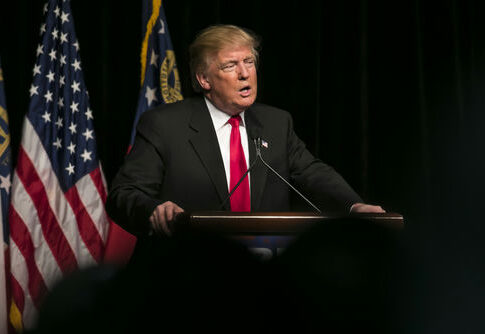
President Donald Trump told reporters in the Oval Office that the United States would “cut off all trade with Spain” and that “we don’t want anything to do with Spain.” He made the remarks while meeting German Chancellor Friedrich Merz, tying his anger to Spain’s refusal to support U.S. and Israeli military actions against Iran and to boost its defense spending within the North Atlantic Treaty Organization. The remarks immediately raised questions about what such a policy would mean for businesses and consumers.
Trump said he had instructed Treasury Secretary Scott Bessent to “terminate all dealings” or “all transactions” with Spain and claimed he had the power to stop “everything having to do with Spain,” including business and embargoes. Bessent backed him at least verbally, saying the Supreme Court had reaffirmed Trump’s capacity to enforce an embargo. Yet no executive order or detailed plan has been released so far, leaving this sweeping threat as words rather than a clear policy the public can see and judge.
Spain’s Stand On Bases, NATO And Iran
Spain’s government, led by Prime Minister Pedro Sánchez, says it will not allow the United States to use the joint bases at Rota and Morón for attacks on Iran that go beyond existing agreements or the United Nations framework. Spanish Defense Minister Margarita Robles stated that “no assistance of any kind, absolutely none” had been provided from those bases for Iran strikes, stressing that operations must follow international law and have broad international backing. Spain also says it is a “vital member of NATO meeting its obligations,” even as Trump demands allies commit 5% of economic output to defense.
Spanish leaders argue that, although the United States operates from Rota and Morón under joint-use deals, the bases remain under Spanish sovereignty and cannot be used unilaterally. After Madrid declared the bases could not support Iran attacks, U.S. aircraft were moved to locations in Germany and France, showing Spain would enforce its decision even against heavy pressure. The dispute reflects differing interpretations of alliance obligations and national sovereignty.
Can Trump Really Cut Off All Trade With Spain?
Trade experts and reporters note that it is not clear how Trump could legally “cut off all trade” with Spain, which is part of the European Union’s single market and customs union. The European Union, not Spain alone, negotiates trade rules for all 27 member states, so targeting one country risks hitting the whole bloc and invites retaliation under global trade rules. Past Supreme Court decisions have already struck down some tariffs Trump tried to impose using the International Emergency Economic Powers Act, limiting one of his favorite tools.
Analysts point out that Spain is not a minor partner with “nothing” the United States needs, as Trump claimed. Spain is a major exporter of olive oil, auto parts, steel, chemicals, and other goods used by U.S. companies and families. Cutting off that trade would not just hurt Spanish workers; it would also raise prices and disrupt supply chains in America, from grocery stores to factories. For citizens on both the right and the left who already feel squeezed by inflation and unstable jobs, a significant trade disruption.
A Pattern Of Threats And A Growing Distrust Of Power
This Spain showdown fits a wider pattern in Trump’s second term: using trade threats and NATO pressure as levers against allied democracies. Similar warnings of tariffs or rupture were thrown at other European allies over issues like the Greenland dispute, only to be paused after negotiations. Research on these tactics shows that threats of withdrawal or economic punishment can push allies to spend more on defense, but they also weaken trust and fuel the sense that the United States is now a source of instability in NATO rather than a steady partner.
Trump Renews Attack on Spain at NATO Summit, Orders Trade Halt: https://t.co/9UFjuVVXu7
— LaCotorra.io (@Lacotorra_io) July 8, 2026
For many Americans, the deeper worry is not about Spain alone. It is about a federal government that seems ready to drag families, farmers, and small businesses into global standoffs they never chose. Conservatives see another example of foreign entanglements and elite games hurting U.S. workers instead of fixing the border, debt, or energy costs. Liberals see a White House using “America First” language while risking wider war and economic pain that will fall hardest on ordinary people. Both sides increasingly suspect that powerful leaders, courts, and bureaucracies make dramatic moves for political theater, then leave regular citizens to pick up the pieces.
Sources:
insiderpaper.com, aljazeera.com, youtube.com, bbc.com, reuters.com